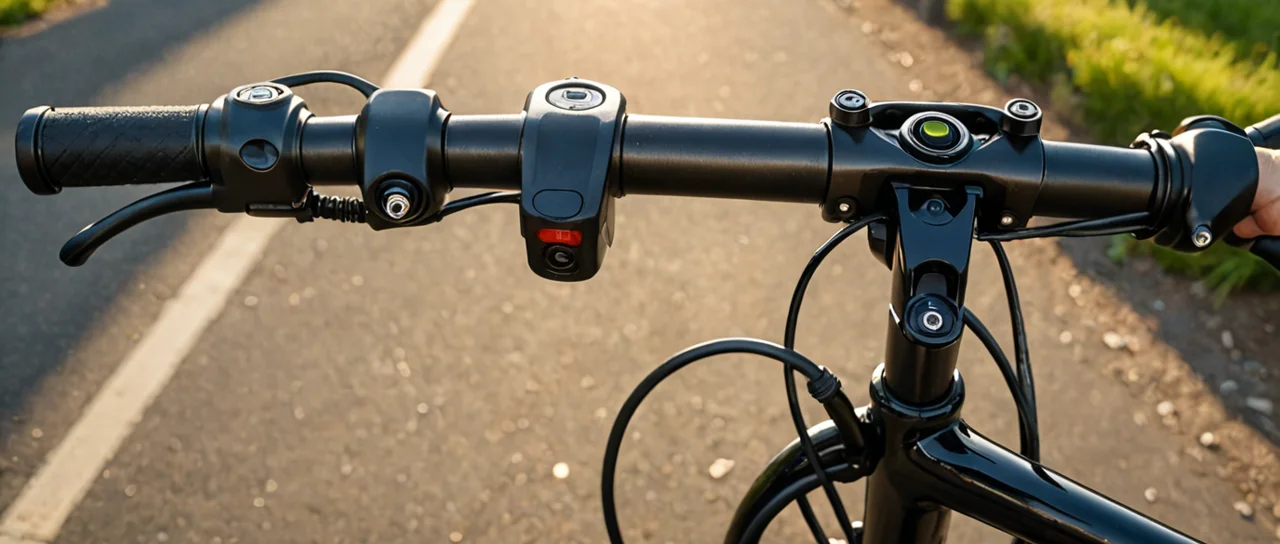
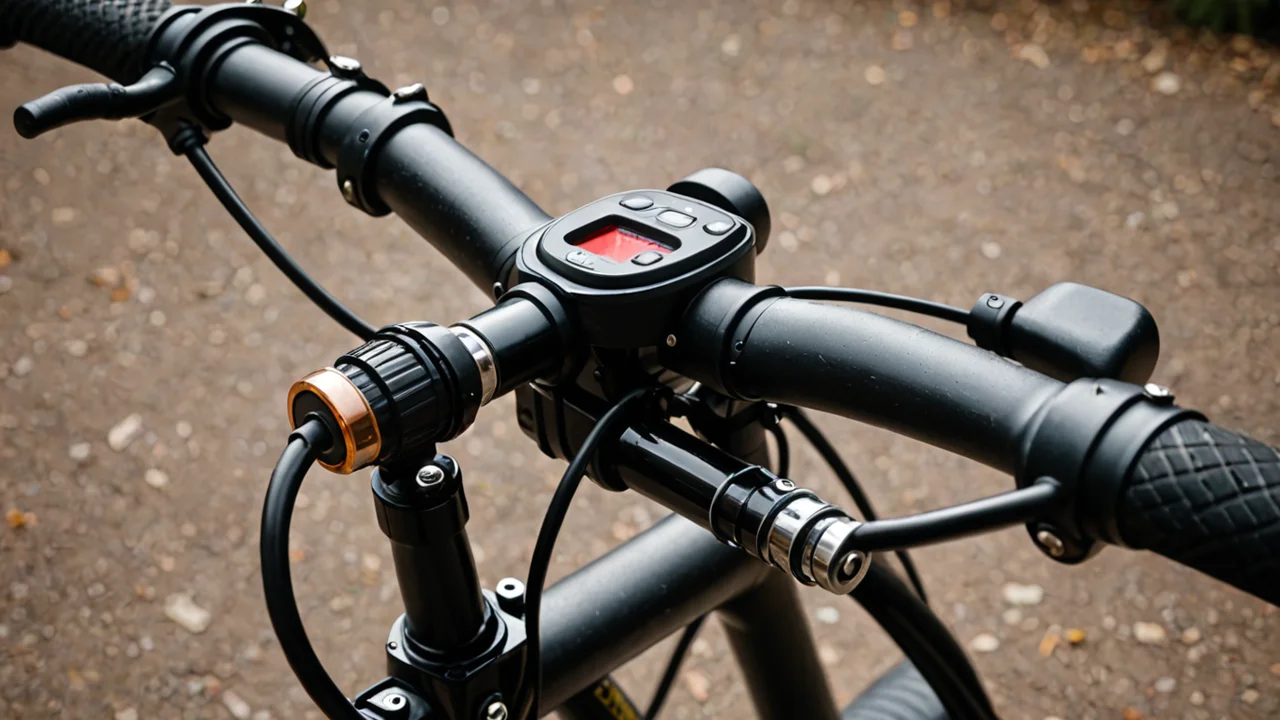
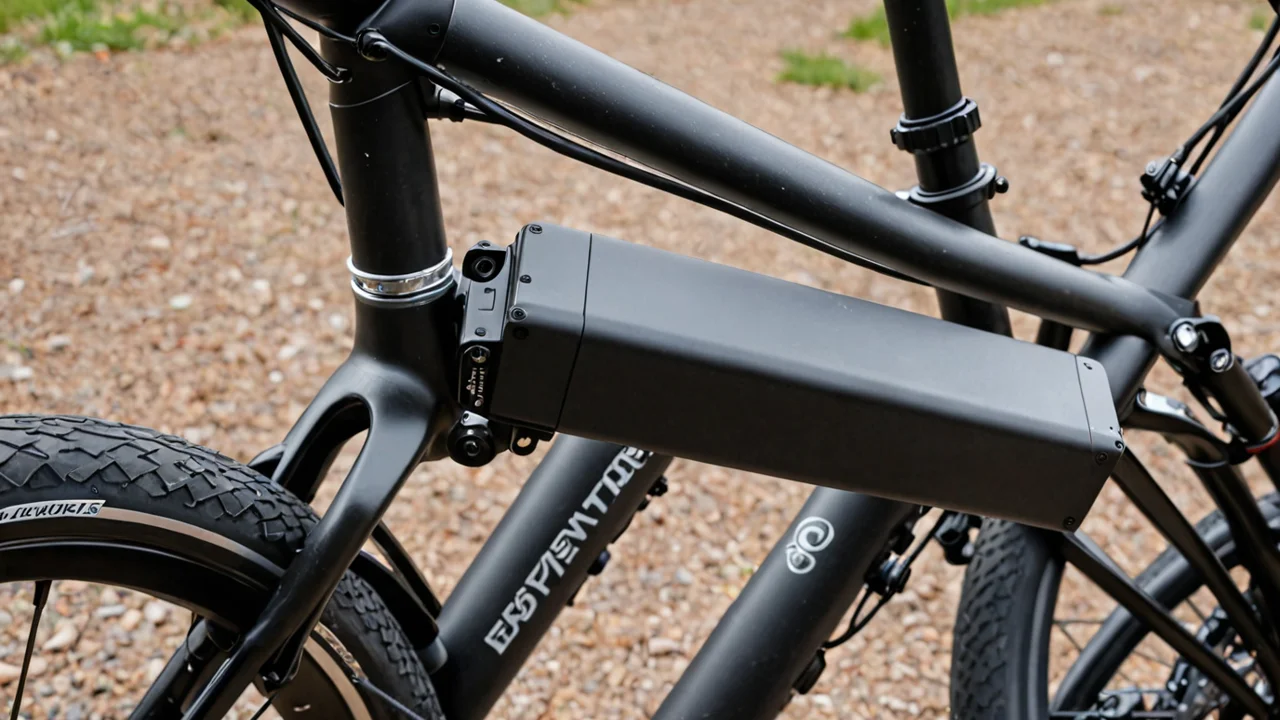
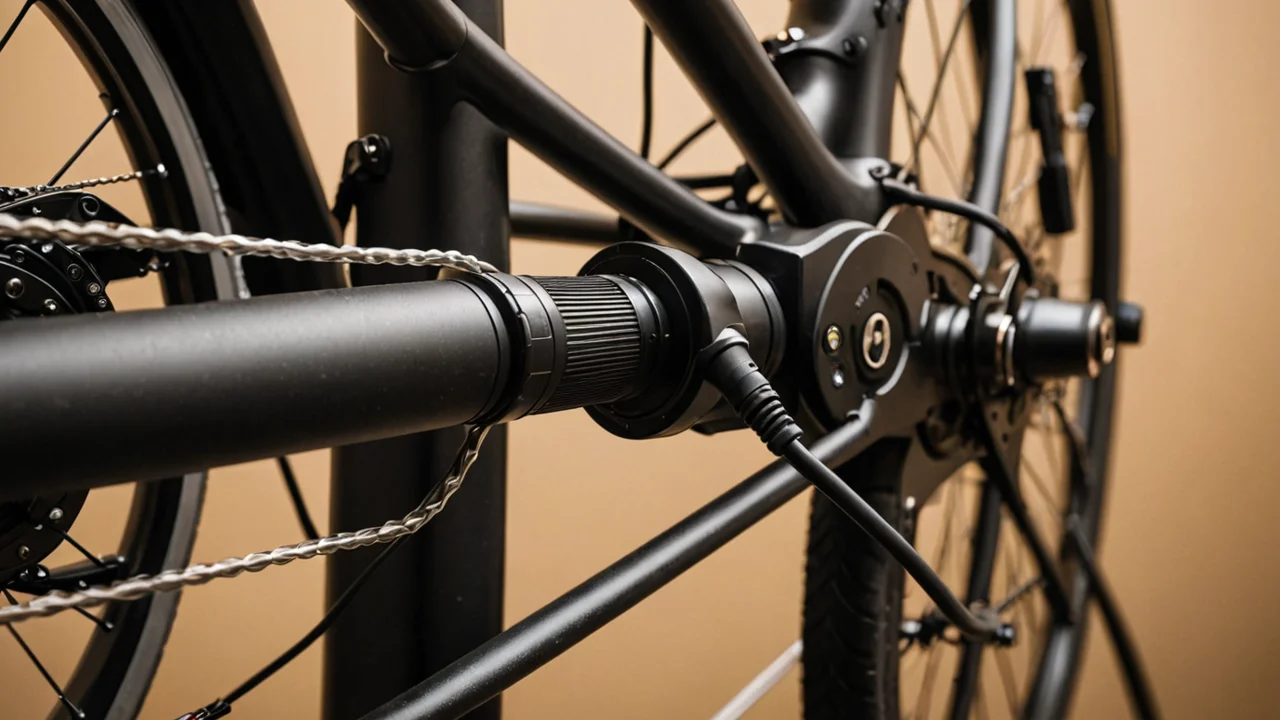
The single most useful thing to know before you buy a bike is what kind of riding you actually do, because that answer determines the frame, the gearing, the tire width, and whether you need a motor at all. Almost every buying mistake comes from solving for the wrong ride — buying for the rider you imagine yourself becoming rather than the one who will actually throw a leg over the bike on a Tuesday after work. Everything below is about making that match, in the order the decisions actually matter.
Start with the ride, not the bike
Write down the last five rides you took and the next five you want to take: distance, surface, time of day, and whether you were carrying anything. That list is your spec sheet. A rider doing a flat commute with a laptop and a change of clothes needs completely different things from someone whose weekends are singletrack, and a bike that tries to do both usually does neither well.
Surface is the first fork in the road. Pavement, gravel, and trail each push you toward a different tire width and frame geometry, and tire clearance is the hardest thing to change later — you can swap a saddle, a stem, a cassette, but you cannot widen the frame. If there is any chance you will ride dirt roads, buy for the wider tire now. The cost is a little weight and a little more drag on pavement, which most riders stop noticing within a week.
Distance and terrain set your gearing. Short flat rides tolerate a narrow range; hills and loaded commuting want a wide cassette and, increasingly, a smaller chainring up front. The trade-off is that very wide-range setups can have bigger jumps between gears, which some riders find irritating on rolling terrain where they want to hold a steady cadence.
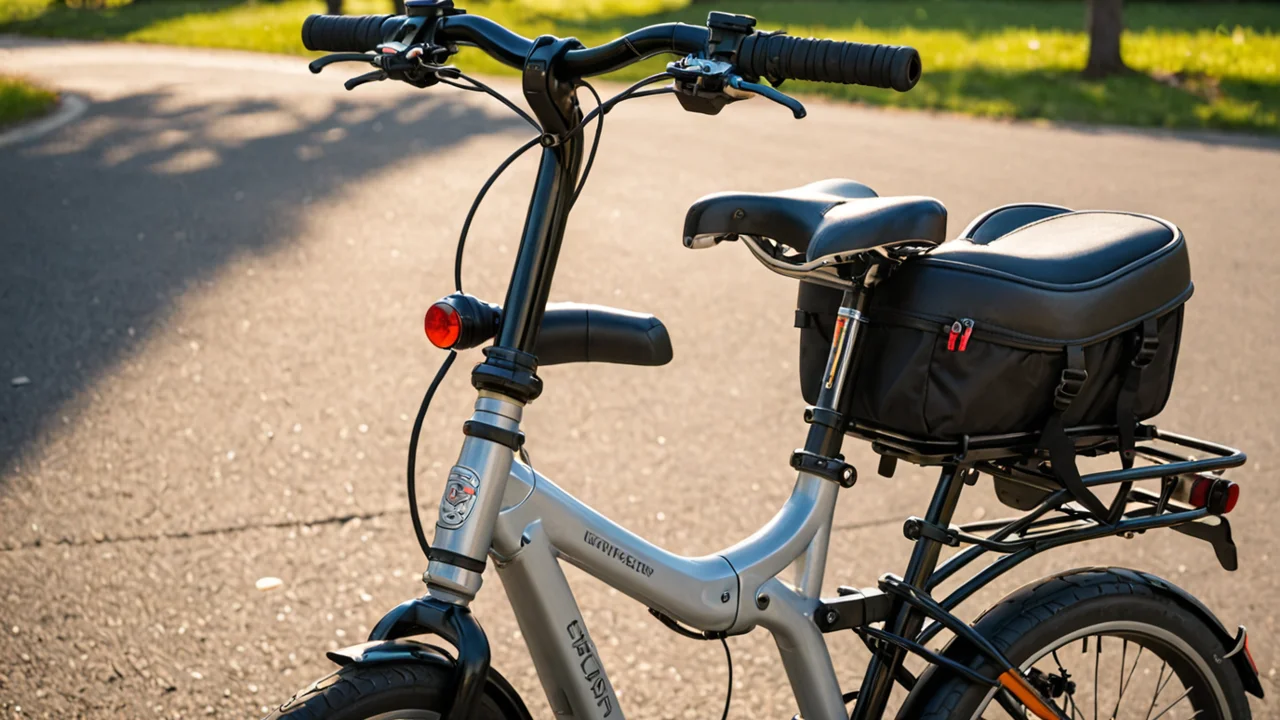
Cargo and weather are the quiet deciders. Fenders and rack mounts are cheap at purchase and annoying to bodge afterward. If you commute in rain, buy a frame with eyelets and clearance for fenders with real tires mounted, not the slimmest tire the frame will take.
E-bike or not: the rules come before the motor
In U.S. federal law, a low-speed electric bicycle is a two- or three-wheeled vehicle with fully operable pedals and an electric motor of less than 750 watts, whose maximum speed on a paved level surface, when powered solely by that motor while ridden by an operator who weighs 170 pounds, is less than 20 miles per hour. That definition, under 15 U.S.C. § 2085, dates to 2002 and is the anchor for almost every state rule you will run into.
The class system sits on top of it. A Class 1 e-bike assists only while you pedal and stops assisting at 20 miles per hour; on U.S. federal lands, that 20 miles per hour figure is the ceiling for Class 1. A Class 2 e-bike adds a throttle that can move you without pedaling, still capped at 20 miles per hour. Class 3, which appears in CPSC regulatory proceedings as a capability limit of 28 miles per hour, is where local rules start to diverge sharply — some places welcome it, some trails and paths exclude it. If you plan to ride mixed-use paths, check the class rules for those specific paths before you buy, because a bike you cannot legally ride where you want it is an expensive mistake.
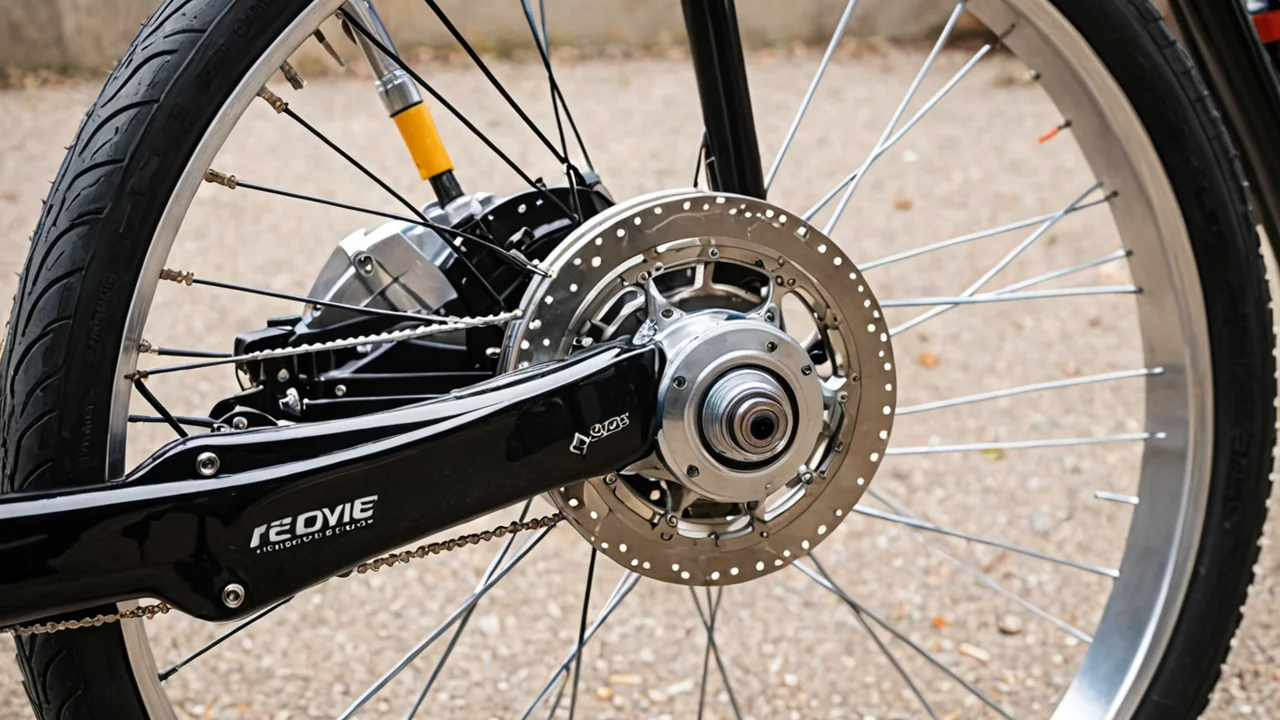
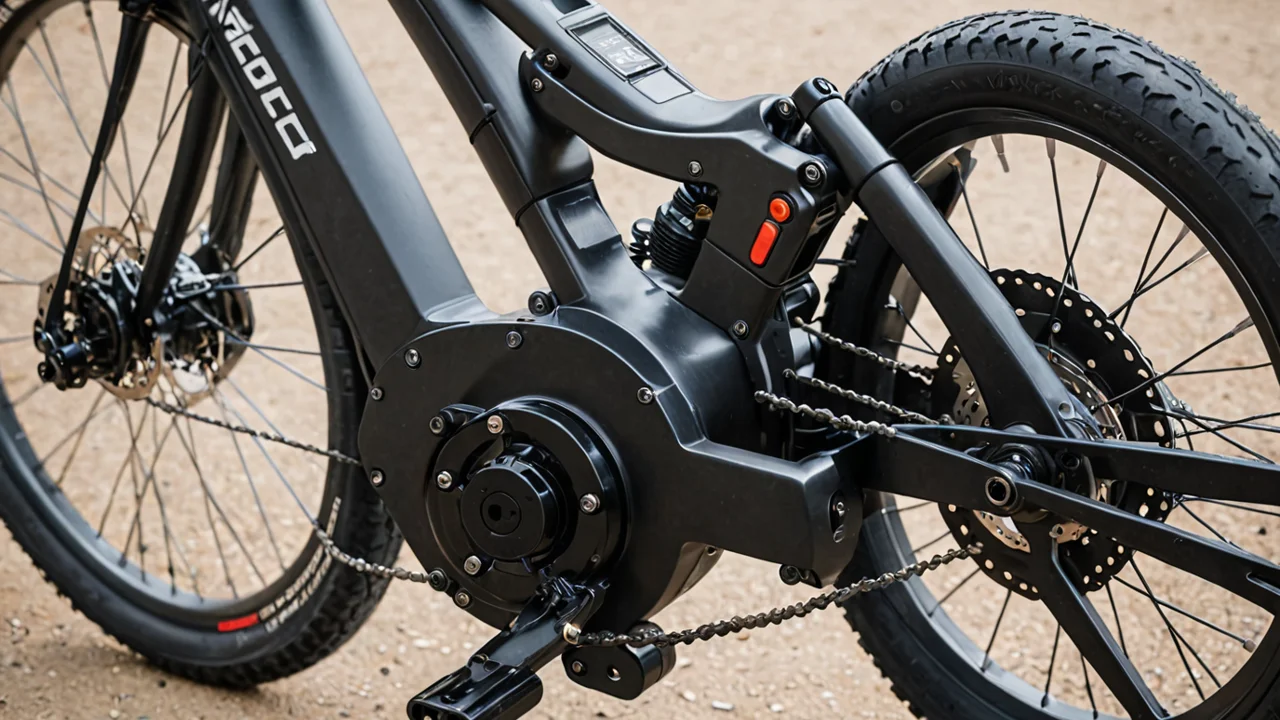
The honest trade-off: a throttle (Class 2) is wonderful for restarting on hills, hauling groceries, and riders with knee trouble, but it drains batteries faster and attracts more scrutiny on shared paths. A pedal-assist-only Class 1 bike feels more like a bicycle, integrates better with trail access, and rewards a rider who is already comfortable turning pedals. Hub motors are cheaper and simpler; mid-drive motors cost more but use the bike's gearing, which matters a lot on hills and when loaded.
Battery range claims deserve skepticism in the same way car fuel economy does — they assume a light rider, a flat route, and a low assist level. Buy for the worst case: the coldest morning, the headwind, the full panniers. And buy a bike from a shop or brand that will still stock that battery in five years, because a dead pack with no replacement turns a working bike into a heavy one.
Frame material and fit: where the money actually goes
Fit beats material every time. A well-fitting aluminum frame rides better than a badly sized carbon one, and no component upgrade fixes a frame that is a size wrong. Get measured — reach and stack, not just standover height — and if you are between sizes, size down and lengthen the stem rather than the reverse.
On material: aluminum is the default for good reason, stiff, affordable, and easy to find in every price band. Steel rides smoothly and lasts decades but weighs more and rusts if you neglect it. Carbon is light and tunable but costs more and tolerates crash damage poorly. Titanium sits at the top of the price ladder with a reputation for durability. None of these will transform your ride the way correct geometry and tire volume will.
The cost of getting fit right is mostly time, and possibly a professional fitting, which is money well spent before you buy rather than after. The cost of getting it wrong is a bike that sits in the garage.
Components: spend where you touch and where you stop
Prioritize contact points and brakes. Saddle, grips or bar tape, pedals, and tires are what you feel on every ride; a mid-tier groupset with excellent brakes is a better buy than a top-tier groupset with mediocre ones. Hydraulic disc brakes have become the standard on anything ridden in weather or on hills, and the difference in confidence on a wet descent is not subtle.
Drivetrain tier matters less than people think until you are racing. A 1x setup (single chainring) simplifies shifting and sheds the front derailleur, at the cost of a narrower gear range or bigger jumps between cogs. A 2x setup gives you finer steps and a wider range but adds complexity. For loaded commuting and hilly terrain, 2x or a very wide-range 1x is the safer choice.
Wheels are where upgrades pay off most, but they are also where budget bikes cut corners. Check that the hubs are serviceable and the rims have a sensible internal width for the tires you plan to run. Tubeless tires reduce flats on gravel and trail; the cost is setup fuss and occasional sealant top-ups.
Buying used, buying new, and what a warranty is worth
Used is the best value in cycling if you can inspect the bike, and the worst value if you cannot. The things that kill a used bike are hidden: a cracked carbon frame, a worn cassette and chain that need replacing immediately, seized bearings, or a battery at the end of its life on an e-bike. On e-bikes especially, a used battery is a gamble — ask for the cycle count if the system reports it, and price in the possibility of replacement.
New buys you a warranty, a shop relationship, and usually a free first service after the cables settle. That first service matters more than beginners expect; new cables stretch and brakes bed in within the first few rides. The trade-off is price — you pay a premium for new, and the depreciation in the first year is steep.
Buy from a local shop if you can, not because online is bad but because assembly and fit are where problems hide. A bike assembled wrong is dangerous, and a shop that built it will stand behind it. If you buy online, budget for a professional assembly and safety check.
Safety gear and the honest limits of the numbers
Buy a helmet that fits and that you will actually wear, and replace it after any impact. Beyond that, the data on risk is thinner than the marketing suggests. Recreational mountain biking has an injury rate of 1.54 injuries per 1000 biker exposures, which tells you the sport carries real risk but says nothing about your specific trail, speed, or skill. Treat such figures as context, not as a personal risk calculator.
The bigger safety decisions are behavioral: ride within sight lines, brake before the corner not in it, and match your speed to conditions. On an e-bike, the extra speed is the point and also the risk — a Class 3 bike at 28 miles per hour closes on hazards much faster than a pedal bike, and stopping distances grow with the square of speed. If you buy speed, buy good brakes and practice hard stops in an empty lot before you need them.
The trade-off of more safety gear is cost and hassle, and the honest answer is that a well-fitting helmet, working lights, and good brakes cover most of what matters. Everything beyond that is refinement.
Where Class 2 and Class 3 e-bikes actually get you turned away
Check the trail or path agency's rule before you buy, not after, because access — not power — is what most often disqualifies an e-bike from the riding you actually want to do. On U.S. federal lands, Class 1 is the class that gets an explicit 20 miles per hour assisted ceiling, and that is the class most land managers built their policies around. A Class 2 throttle bike is a different conversation in the same parking lot, and a Class 3 bike, referenced in CPSC proceedings as a 28 mile per hour capability, is the one most likely to be excluded outright from shared-use paths and non-motorized singletrack.
The mechanism is simple and unforgiving: the class is a property of the bike's motor system, not of how you ride it. You cannot detune your way onto a trail by promising to pedal gently, because the sticker, the display, and the spec sheet say what the bike is. If your week is a mix of bike paths and dirt, a Class 1 pedal-assist bike is the only configuration that reliably crosses both without a fight, and the cost is that you give up the throttle that makes hill starts and loaded grocery runs easy.
Buyers get this backwards constantly — they pick the motor they like and then discover the access problem at the trailhead sign. If mixed-use paths matter to you, look up the specific path operator's e-bike policy first, then shop. A Class 3 commuter is a superb machine for a road commute and the wrong purchase for someone whose weekend plan is a rail-trail with a class restriction posted at the gate.
Reading the 750-watt number and the 170-pound test correctly
The federal 750-watt figure is a motor rating, not a promise about how hard the bike will pull, and the 20 mile per hour cap is measured under a specific test — motor only, paved level surface, a rider weighing 170 pounds. Under 15 U.S.C. § 2085, those two conditions plus fully operable pedals are what make a vehicle a low-speed electric bicycle rather than something else. The number you see in marketing, "750W," is a nominal rating, and nominal ratings are loose enough that two motors with the same badge can feel wildly different on a climb.
What that means for a heavier rider or a hilly route: the legal ceiling tells you nothing about whether the bike will haul you up your actual hill. A 170-pound test rider on flat pavement is the easiest case the standard contemplates. If you weigh more, carry panniers, or climb regularly, the motor's torque figure and whether it drives through the gearing matter far more than the wattage badge. This is the strongest argument for a mid-drive over a hub motor on loaded or hilly riding — a mid-drive uses the cassette, so a low gear multiplies the motor's effort the same way it multiplies yours.
Treat the wattage on the box as a compliance label, not a performance spec. The honest trade-off is that shopping by torque and drive type takes more homework than shopping by watts and top speed, and the specs that predict how a bike feels are the ones least likely to be printed in large type.