Off-road performance on a bike comes down to three systems working together: traction, control, and the rider's own capacity to absorb and produce force over rough ground. Everything else — suspension, tire width, gearing, motor assist — is a way of buying margin in one of those three. If you can name which of the three is limiting you on a given trail, you can spend money in the right place. If you can't, you'll buy a wider tire when you needed a slacker head angle, or a longer-travel fork when you needed to slow down.
What actually limits you on rough ground
Traction is the first limit, and it is almost never about the tire compound people obsess over. It is about contact patch and pressure. A mountain bike tire run at road-bike pressure has less grip than the same tire at trail pressure because the casing can't conform to roots and rocks. Drop pressure until the tire squirms under hard cornering, then add a couple of strokes back. That squirm point moves with rim width: a wide rim supports a lower pressure before the sidewall folds, which is why wide internal-width rims and tubeless setups changed what riders can get away with on loose descents.
Control is the second limit, and it is a geometry and body-position problem before it is a suspension problem. A short, steep, quick-steering bike feels alive on smooth singletrack and terrifying on a loose fall-line descent, because the front wheel is carrying too little weight and the wheelbase is too short to recover when it lets go. The fix is not more travel; it is a longer front center, a slacker head angle, and a rider who keeps weight over the front wheel through the turn. Suspension buys you the ability to stay off the brakes over chatter and to land without bottoming out, but a poorly balanced bike with excellent suspension still handles badly.
Capacity is the third limit, and it's the one riders underrate. Off-road performance degrades with fatigue faster than with equipment. A rider whose forearms are pumped solid after a rock garden cannot brake precisely, and no component fixes that. Grip strength, core endurance, and time on the bike over rough terrain matter more than a lighter wheelset for most riders most of the time. The honest trade-off: strength work costs you hours a week that you could spend riding, and it pays off over months, not weekends.
Hardtails, full suspension, and gravel bikes: what each costs you
A hardtail is the cheapest way into real off-road performance and the best teacher, because the rear wheel's inability to absorb impact forces you to read the trail and choose lines. On smooth, flowy, or climbing-heavy terrain it is not a compromise at all — it is faster and more efficient than a full-suspension bike of similar weight. It becomes the wrong tool on sustained rough descents and on rock gardens where the rear wheel skips and chatters under braking, which is exactly where a full-suspension bike earns its weight.
Full suspension buys rear-wheel tracking and comfort at a real cost: more weight, more maintenance (air-can services, pivot bearings, shock damper oil), and a higher price for equivalent components. The mistake most riders make is buying too much travel for their terrain. A long-travel enduro bike on flat, pedally trails feels vague and slow-steering, and it dulls the trail feedback that teaches you to ride well. Match travel to the roughest trail you actually ride, not the one you watch videos of.
A gravel bike sits at the far end of efficiency and the near end of capability. It is genuinely fast on dirt roads, doubletrack, and smooth singletrack, and it rewards fitness and line choice. It falls apart on technical descents, in loose-over-hard corners, and anywhere the trail demands suspension. The honest trade-off is that a gravel bike makes easy terrain fun and hard terrain punishing, while a mountain bike does the reverse. Riders who own one bike and ride mixed terrain should be clear about which side of that line most of their riding falls on.
E-bike classes and where the motor stops helping
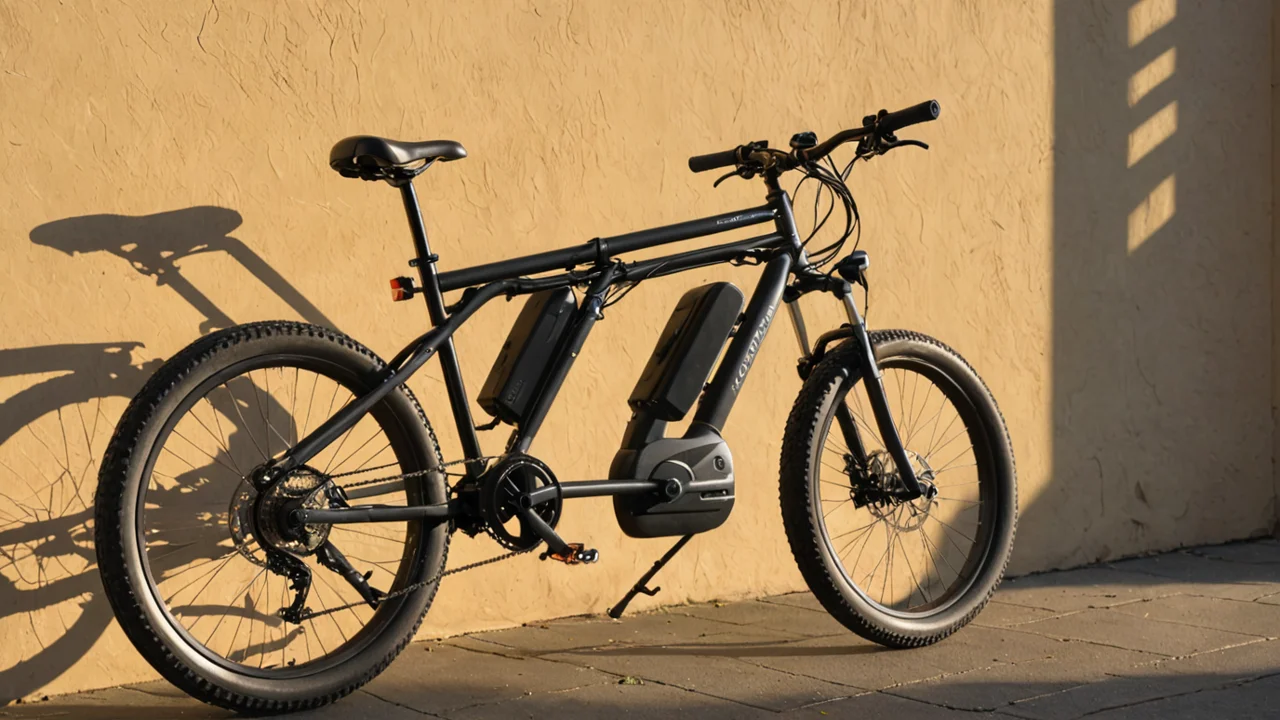
On U.S. federal lands, a Class 1 e-bike is the only class broadly allowed on trails, and its motor must stop assisting at 20 miles per hour. That number is not arbitrary — it comes from the federal low-speed electric bicycle definition, which caps motor-only speed at less than 20 miles per hour on a paved level surface with a 170-pound operator, and caps motor power at less than 750 watts. Class 2 bikes add a throttle but are held to the same 20 miles per hour motor-assisted ceiling. Class 3 bikes assist to 28 miles per hour, which is why they are excluded from most trail systems: the extra speed changes closing rates and stopping distances in ways land managers are not set up to manage.
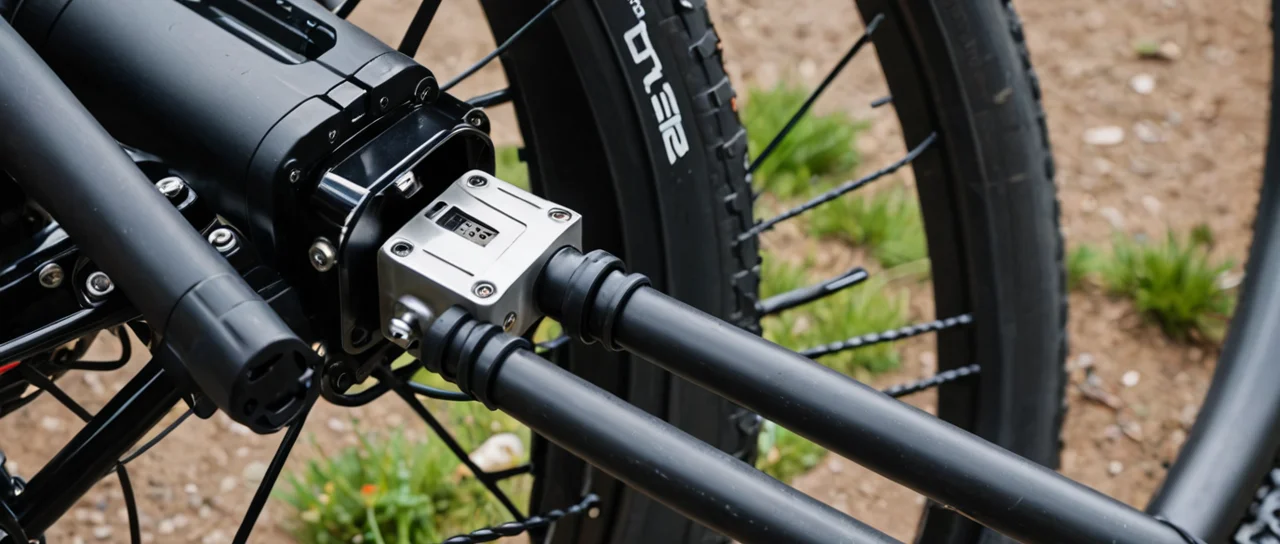
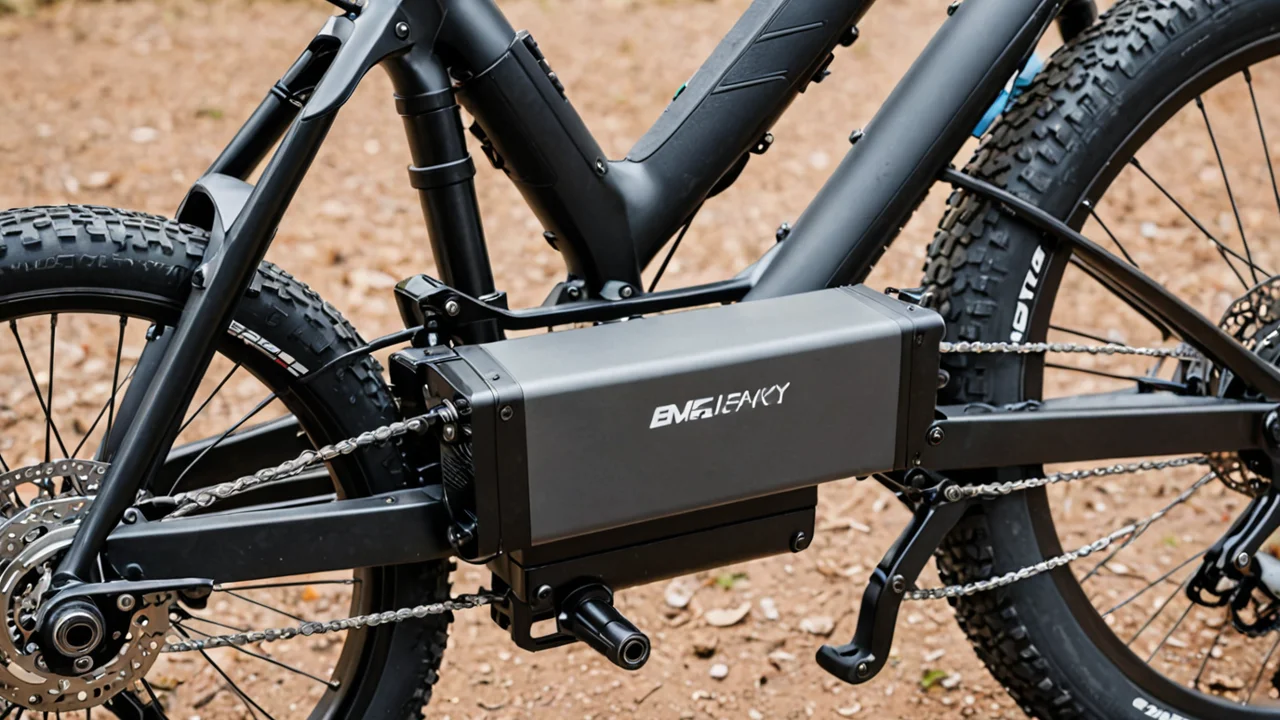
What this means practically is that the motor's job on technical terrain is not top speed — it is torque delivery at low cadence, which lets you clean a steep, loose climb you would otherwise walk. The limiter is not the motor's peak output but how it cuts in and out. A motor that engages abruptly when you resume pedaling after a corner will break traction on loose climbs; a smooth, cadence-sensing assist lets you modulate. Test-ride a bike on a loose climb before you buy it, not in a parking lot.
The cost is weight and complexity, and it shows up exactly where off-road performance is hardest: lifting the bike over obstacles, hopping logs, and managing a heavier machine through tight turns. An e-bike also changes the physics of a crash — more mass arriving at the same speed means more energy to dissipate. Riders new to e-bikes on technical terrain should expect to recalibrate their braking points.
Injury risk and what it tells you about pacing
Recreational mountain biking carries a measurable injury rate of 1.54 injuries per 1000 biker exposures. That figure is useful not because it's alarming — it isn't, for most riders — but because it frames the real risk profile: most injuries happen on descents, at speed, and to riders pushing beyond their skill on unfamiliar terrain. The exposure-based framing matters because it tells you the risk is cumulative with time on the bike and concentrated in specific situations rather than spread evenly.
The practical implication is that progression should be deliberate. Riders who get hurt are usually riding terrain above their current skill level, often tired, often at the end of a ride. Building skill means riding the same feature repeatedly at low speed until it's boring, then adding speed. It also means recognizing that fatigue degrades judgment before it degrades fitness — the crash usually happens on the last run, not the first.
Protection is a genuine trade-off. A full-face helmet and knee pads reduce injury severity on technical descents but cost you ventilation, weight, and money, and they make climbing miserable. Most riders land on a ventilated half-shell with a removable chin bar for aggressive days, plus knee pads for rocky terrain. The right answer depends on how often you ride terrain where you'd actually fall hard, not on how you'd like to imagine your riding.
Setup decisions in the order they matter
Tire pressure is the highest-leverage adjustment on any off-road bike, and it's free. Set it for the terrain and conditions of the day, not for what the sidewall says. Loose, dry, dusty conditions want lower pressure for contact patch; wet roots and rocks want slightly higher pressure so the tire cuts through rather than floating. Tubeless setups let you run lower pressures without pinch flats, which is the single biggest reason they became standard.
Suspension setup comes next, and the order is sag first, then rebound, then compression. Set sag to the manufacturer's recommended percentage for your weight and riding style, then tune rebound until the bike doesn't pack down over repeated hits or kick you off the saddle. Compression damping is the last thing to touch, and most riders run it too firm. A fork that feels "supportive" in the parking lot is often harsh on small bumps at speed.
Cockpit fit — bar width, stem length, saddle position — matters more than most component upgrades. A bar that's too wide makes tight singletrack feel like wrestling; too narrow and you lose leverage on descents. Stem length changes steering quickness and weight distribution, and it's cheap to experiment with. Only after these are dialed should you spend on wheels, drivetrain, or brakes.
When the gear is the wrong answer
Buying equipment is the most popular response to a performance problem and frequently the wrong one. If you're getting passed on climbs, the answer is almost always fitness and pacing, not a lighter bike. If you're crashing in corners, the answer is technique — braking before the turn, looking through it, weighting the outside pedal — not a wider tire. If you're exhausted after an hour of technical riding, the answer is strength work and more time on rough terrain, not suspension travel.
The clearest signal that gear is the right answer is when you can articulate exactly what the current setup prevents you from doing. "I can't hold a line through braking bumps because the fork dives and the rear wheel skips" points to suspension service and setup. "I lose traction on loose climbs when I stand" points to tire choice and pressure. "I can't carry speed through rock gardens because the bike feels nervous" points to geometry. Vague dissatisfaction — "it just feels slow" — is almost never solved by a purchase.
The other honest limit is that off-road performance has diminishing returns. A rider on a well-set-up mid-range bike with good tires and correct pressure will outperform a rider on a top-spec bike that's badly set up, on almost any trail. The gap between mid-range and top-spec components is real but small compared to the gap between a dialed setup and a neglected one. Spend the first money on tires, pressure, and setup; spend the last on weight.
E-bike motor behavior on loose climbs and techy descents
What separates a good off-road e-bike from a bad one is not peak torque but how the assist ramps in and out. On a loose, steep climb, the moment you resume pedaling after a corner is when traction is most fragile — a motor that surges the instant the cadence sensor sees rotation will spin the rear tire and put you off-line. Look for cadence-sensing assist that ramps over a fraction of a pedal stroke rather than snapping to full output, and test it on exactly that surface before you buy. The parking-lot loop tells you nothing.
The federal ceiling shapes how you ride, not just what you can buy. Under 15 U.S.C. § 2085, a low-speed electric bicycle must have fully operable pedals and a motor under 750 watts, and its motor-only speed on a paved level surface with a 170-pound operator must stay below 20 miles per hour. That is why Class 1 bikes — pedal-assist only, cutting out at 20 miles per hour — are the class broadly permitted on U.S. federal lands. Class 2 adds a throttle under the same 20 miles per hour motor-assisted ceiling. Class 3, which assists to 28 miles per hour, is the one most trail systems exclude, and the reason is closing speed: extra velocity changes how quickly you arrive at a blind corner or a hiker.
The cost of all that torque is mass, and mass bites hardest in the places off-road riding already punishes you: lifting the bike over a log, hopping a root, muscling it through a tight switchback. A heavier machine also carries more energy into a crash at the same speed, so braking points you learned on an acoustic bike arrive later than you expect. Plan a few rides of recalibration before you trust the e-bike on technical descents.
Reading fatigue and exposure before the crash, not after
The injury figure worth keeping in your head is 1.54 injuries per 1000 biker exposures for recreational mountain biking. It is not a scare number — it is a reminder that risk is measured per ride, which means it accumulates with time on the bike and clusters in particular situations rather than spreading evenly across your season. The practical read: your risk on the twentieth descent of a long day is not the same as on the first, even though the trail is identical.
Fatigue degrades judgment before it degrades fitness, and that gap is where most crashes live. The tell is subtle — you start braking later into corners you know, or you stop scanning the trail and start staring at the front wheel. When you notice either, the correct move is to back off the pace rather than push for one more clean run. Riding a feature repeatedly at low speed until it feels boring, then adding speed, builds skill with far less exposure than chasing a fast rider down unfamiliar terrain.
Protection is a real trade-off and worth being honest about. A full-face helmet and knee pads cut injury severity on rocky descents but cost ventilation, weight, and money, and they make the climbs miserable. Most riders settle on a ventilated half-shell with a removable chin bar for aggressive days plus knee pads for rocky ground. The right call depends on how often you actually ride terrain where a hard fall is likely — not on how you picture your riding.